


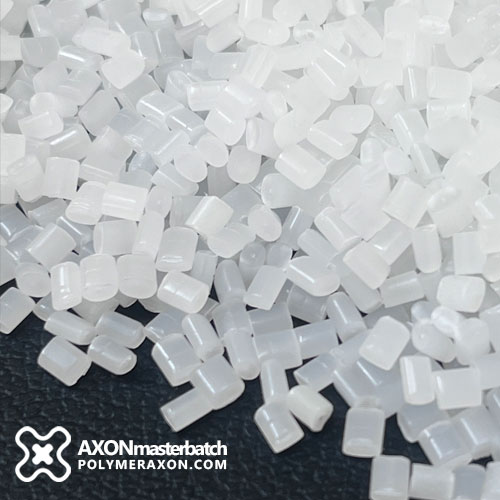
If you work in the industrial sector, particularly in the plastic production industry, you will be familiar with the term “ slip masterbatch ” This article will provide a detailed explanation of this computerizing agent.
What Is a Slip Masterbatch?
Slip masterbatches are employed to prevent plastic adhesion. Slip masterbatches, which keep layers from adhering to each other, contain anti-blocking agents such as fatty amides and polytetrafluoroethylene.
These substances polish the plastic surface and create a smooth, non-stick surface. The same compound is indeed used to remove the stickiness from plastic tablecloths.If you notice that plastic products such as tablecloths stick together and are difficult to separate, they lack anti-sticking agents.
The slip masterbatch also reduces transportation problems when winding polyolefin tapes. This masterbatch introduces a controlled coefficient of friction to the tapes and adds to their smoothness. The slip masterbatch offers several benefits, such as:
- Reduced adhesion of films
- Reduced film-to-film or film-to-metal adhesion
- Increased material processability
- Decreased coefficient of friction
How to Produce Slip Masterbatches
Investigating the manufacturing process of the slip masterbatch is advisable before you make a purchase. Confident that the constituent materials are standard, you can purchase them. The preparation procedure for this product is as follows:
Materials Needed to Produce Slip Masterbatches
• 60% polyethylene powder
• 30% dry magnesium silicate
• 10% erucic acid amide
First and foremost, the above ingredients must be measured using the extruder’s feed gravimeter. Next, the polyethylene powder and magnesium silicate are blended in a high-speed mixer until a uniform mixture is achieved.
The mixing process continues for up to 4 minutes, after which erucamide is introduced and mixed at high speed for 6 minutes. Once uniformly blended, the resulting product is transferred into the extruder’s feed hopper.
The feed zone must be adjusted accurately up to the end of the die to properly regulate the heater’s temperature. Under normal operating conditions, the temperature should be between 100 and 220 degrees Celsius. The mixer’s rotation speed is adjusted to 300 revolutions per minute to provide thorough mixing before the material enters the extruder and moves through the feed section.
At this stage, the material reaches a fully molten and homogeneous state. After complete extrusion and uniform dispersion, the molten material exits the die through cutting blades, which cut it into smaller pieces.
The pieces are subsequently transferred into a cooling bath. It is essential to ensure that the materials do not stick to one another during this stage. Following adequate cooling, the resulting granules proceed to a drying process. The masterbatch is now prepared for packaging.
Key Advantages of Slip Masterbatches
Because masterbatches are in particle and granular form, they are significantly more straightforward to store and handle, with no difficulty in transportation. Moreover, mixing powders optimizes your time and costs and ensures process reproducibility.
A further benefit of this product is that it can be used to manufacture plastic products. For example, these slip granules have been used to make polyethylene tanks, which have been well-received in various industries.
Given the variety of slip masterbatch types available, you can choose and purchase the one that best suits your needs. Before you buy a slip masterbatch, you should verify the product’s quality and select the type that is most compatible with your intended applications.
Key Factors to Consider Before Buying a Slip Masterbatch
Verifying its authenticity and originality is essential before purchasing a slip masterbatch. The masterbatch should be applied to the material’s surface to minimize friction for practical use.
Significantly, larger granules induce a higher anti-adhesion effect, which may adversely affect optical properties. Using high-quality amides is recommended for better clarity in plastic polymers.


Reviews
There are no reviews yet.