


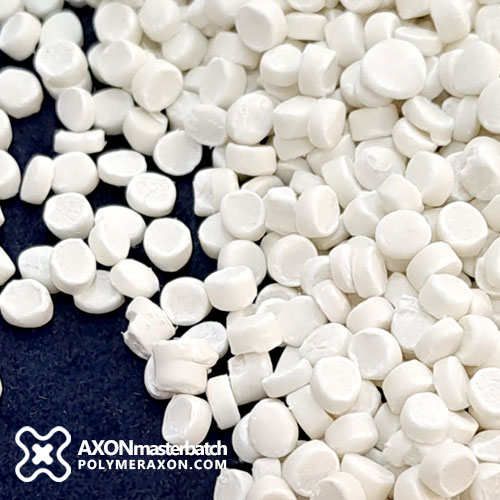
calcium carbonate masterbatch : you likely used colored chalk on chalkboards during elementary school. chalk has been a writing tool for over 10,000 years, and it is regarded as one of the finest microcrystalline materials. limestone is a form of calcium carbonate derived from natural organisms and is denser than chalk.
marble is also a hard, crystalline stone. it is formed through the recrystallization of chalk or limestone under high heat and pressure. marble is mined in north America and various European countries, including Italy.
what is calcium carbonate masterbatch or granules ?
before delving into carbonate granules, it is critical to define the term “granule.” many people believe that granules are a specific type of polymer. however, this is a misconception. a granule is not a polymeric material with unique features.
wherever “granule” is used, it refers to a polymer powder material converted into small grains to facilitate production. granules can be made with new or recycled materials.
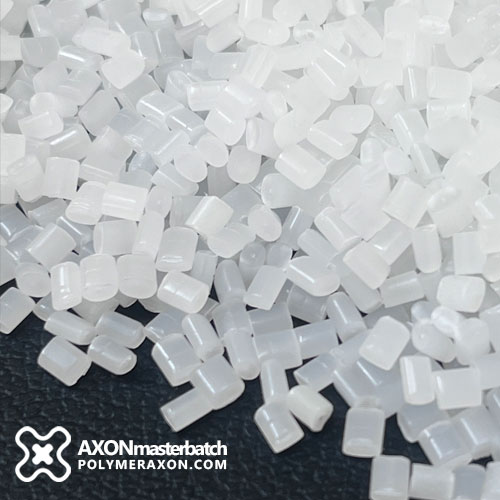
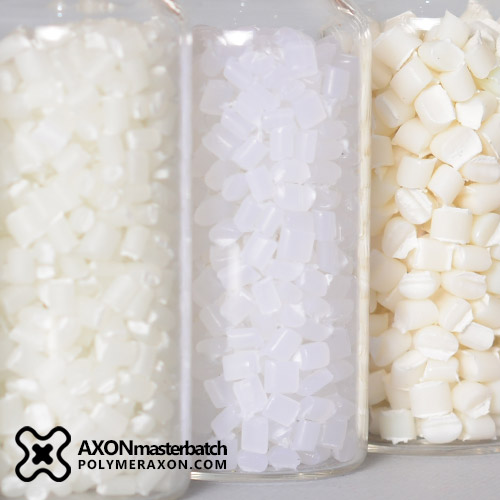
calcium carbonate granules are tiny grains of calcium carbonate used to reduce initial costs and add unique properties to plastic materials. they are referred to as calcium carbonate or filler masterbatches. we will discuss this type of masterbatch and the factors affecting the price of calcium carbonate granules in greater detail.
types of calcium carbonate masterbatches
pure calcium carbonate is extracted from marble or produced through chemical processes involving carbon dioxide. these materials come in two forms, each with its characteristics.
- ground calcium carbonate (gcc): this mineral is produced naturally through the separation and sedimentation process. it is a crystalline powder that results from the crushing of limestone. gcc is notable for its range in size and has applications in the pharmaceutical and industrial sectors.
- precipitated calcium carbonate: this material is formed by the sedimentation of substances during a chemical process. it is called pcc and has a uniform diameter of two microns. pcc is used in industry and paper production.
pcc particles are more minor, purer, and transparent than gcc particles.
applications of the caco3 filler masterbatch in the plastics industry
calcium carbonate (caco3) is used as a filler masterbatch in the plastics industry. because this material is highly grindable, it can be made into petite sizes.
other advantages of these materials include their compatibility with resin polymers and their cost-effectiveness. caco3 is employed as an additive in plastic compounds. it makes the plastic surface transparent. in addition, these compounds can improve the hardness and strength of the plastic if their sizes are controlled.
caco3 can be combined with numerous thermoplastic resins. polypropylene compounds are filled with caco3, which increases the material’s hardness and allows the plastic to perform flawlessly at high temperatures.
calcium carbonate masterbatch price (calcium carbonate granules)
axon polymer publishes the daily price of caco3 filler masterbatch on its website. however, please get in touch with the company’s sales consultants for more information and additional details about the price.
calcium carbonate masterbatch price: USD 0.24 to USD 0.42 per kilogram
what factors determine the price of calcium carbonate granules?
the question that will arise is why the prices of compounds vary. below, we will discuss the factors that influence the price.
the price of calcium carbonate granules depends on the amount of carbonate used:
the more carbonate and materials used in the carbonate compound, the higher the final product quality and, consequently, the final price.
presence of waste in caco3 filler masterbatch:
typically, waste materials should not be used in the production of goods. unfortunately, some manufacturers use waste rather than new raw materials to reduce the prime cost. axon polymer manufactures this product from high-quality raw materials and sells it reasonably.
mesh size and country of manufacture are essential factors in determining carbonate price.
advantages of using calcium carbonate compounds in the plastics industry
As mentioned earlier, CaCO3 serves as a filler to produce polypropylene compounds. This combination has advantages as follows:
enhanced performance: adding calcium carbonate to polypropylene sheets improves their heat performance. moreover, it raises the resistance, hardness, and quality of plastic. combining these materials (up to 40%) can produce high-quality plastic.
improved production process: these materials enhance the production process by facilitating rapid heating and cooling of the plastic. this issue also impacts the process of optimal energy use. furthermore, rapid cooling minimizes shrinkage, thereby preventing brittleness.
economic benefits: the resin market is continually and unpredictably evolving. calcium carbonate compounds can thus safeguard consumers against sudden price hikes. replacing the resin reduces the cost of the produced plastic by 40%.
sustainability: plastic product sustainability is a concern for both consumers and manufacturers. research indicates that incorporating 40% calcium carbonate filler in polypropylene reduces greenhouse gas emissions by 23%.
fda approval: the fda (food and drug administration) has fully approved the inclusion of these materials in plastic. therefore, there is no barrier to incorporating caco3 into food and pharmaceutical packaging structures.
applications of calcium carbonate compound in plastic products
the calcium carbonate masterbatch is used in the plastics industry for products such as tires, wire cables, latex gloves, garbage bags, and even more rigid items such as extruded pipes and window profiles.
other uses of calcium carbonate in industry
calcium carbonate is highly beneficial in our daily lives, and its applications in industry include the following:
paper, paint, and coatings: these materials are widely used as fillers or white pigments in producing paper, plastics, paints, and coatings. because of their transparency and whiteness, they are crucial in the paper production industry.
in other words, they serve as a cost-effective white and opaque filler. calcium carbonate helps to whiten, opacify, and soften the paper. additionally, 30% of the paint’s weight is attributed to the calcium carbonate included in its formulation.
construction: these materials play a significant role in the construction industry. marble is recognized as a building material. additionally, it is employed in cement compositions.
pharmaceutical industry: caco3 is used to produce antacid tablets.
calcium supplements: caco3 is employed as a raw material in calcium supplements.
it may interest you that calcium carbonate is used to manufacture many food ingredients, including baking powder, toothpaste, and wine. in agriculture, these materials are used as animal feed. overall, natural caco3 is beneficial to the environment and water purification.
why to buy caco3 filler masterbatch?
the calcium carbonate compound consists of a blend of materials and calcium carbonate (mineral powder in white color), which is combined with other materials, resulting in a more cost-effective final product. it is significantly less expensive than the primary raw materials. adding these materials to the product lowers the price, which can be adjusted depending on the desired product (between 10% and 80% can be utilized.).
additional advantages of the calcium carbonate compound include enhancing the printability and color ability of disposable tablecloths. if the material is poured in its raw form, printing will either not occur or be of poor quality. however, adding this material enhances printability and ensures the ink effectively adheres to the product.
calcium carbonate compounds offer several benefits, including increased productivity, thermal stability, and improved mechanical and physical properties such as flexural strength. its versatility extends to a wide range of cleaning applications.
incorporating the calcium carbonate compound can mitigate shrinkage and surface imperfections in molded parts.
this material is used in various polymer films, injection and blow-molded products, sack weaving, packaging, automotive components, household appliances, electrical equipment, industrial parts, water and sewage pipes, and more.
calcium carbonate masterbatch formula
the chemical composition is caco3. this white, insoluble, powdery substance appears naturally in minerals, including chalk, marble, limestone, calcite, oysters, and pearls.
this substance is used as an antacid, calcium supplement, or cosmetic filler in medicine.
calcium carbonate is used in swimming pools to disinfect the water and adjust the ph.
it has many applications in the construction industry.
the caco3 filler plastic is prepared as follows:
1- caco3 is yielded from carbon dioxide and dried lime as raw materials and converted to calcite.
another technique to obtain calcite is to add sodium carbonate to calcium chloride using the following formula:
ca(oh) 2 + co 2 → caco 3 + h 2 o
cacl 2 + na 2 co 3 → caco 3 + 2nacl
calcium carbonate is produced when excess carbon dioxide is introduced.
2-caco3 filler plastic is produced on a larger scale by passing carbon dioxide gas through calcium hydroxide, also known as slaked lime. however, soluble calcium hydrogen carbonate may form if excessive carbon dioxide is introduced.


Reviews
There are no reviews yet.