


Filler Masterbatch
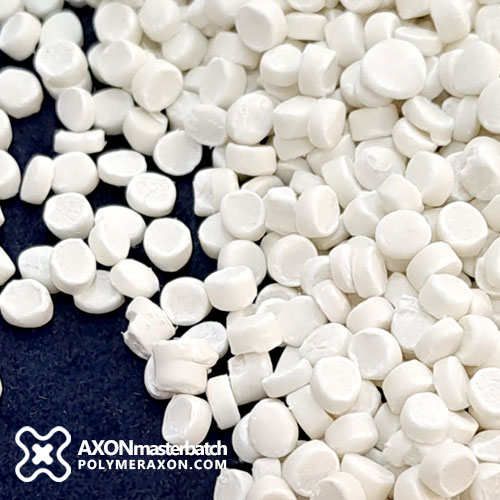
in various types, filler masterbatch contain minerals that impart specific properties to plastic products. these properties enhance the quality of the final product and contribute to a reduction in its overall cost.
this article introduces this popular masterbatch and discusses its benefits in the plastics industry.
what is a filler masterbatch?
a filler masterbatch is a pe, pp, and ps-based additive with 20% to 80% mineral content. the minerals give the final plastic product specific properties and improve its quality. adding plastic filler masterbatch to plastic products can enhance their heat stability, strength, and hardness.
this masterbatch is an effective solution for enhancing the physical and chemical properties of the finished product while lowering its overall cost.
talc masterbatch
talc, a semi-transparent white powder, functions as a plastic filler masterbatches when incorporated into polymers such as pp. this addition enhances the material’s strength and thermal resistance and mitigates shrinkage.
calcium carbonate filler masterbatch
the calcium carbonate masterbatch is available in several grades with varying calcium carbonate contents. the type of powder and processing aids used determine the quality of the masterbatch, which has a unique structure.
mica masterbatch
this masterbatch contains mica powder, a shiny lamellar material ranging from white to gray. it is added to pe, pp, ps, and pet polymers.
barite filler masterbatch
the barite masterbatch is another type of filler masterbatch. it contains barite powder, a complex, flowable material that is also white to gray, similar to mica. adding to polymers such as pvc, ps, and abs reduces water absorption, increases density, and minimizes high-temperature deformation.
kaolin masterbatch
kaolin, popularly known as clay, is a soft, white material with high solubility. it is used as a pigment in the kaolin masterbatch industry.
wollastonite masterbatch
this mineral filler, made from quartz and calcite, is used in the rubber and plastics industries.
benefits of using plastic filler masterbatch
- filler masterbatches are used in various plastic production processes, including injection molding, film production, the manufacturing of envelopes and bags, and more. they offer several economic benefits to plastic product manufacturers, including:
reduced raw material costs - faster mold cooling and increased output
- decreased need for white and color masterbatches
- increased product hardness and strength
- improved dimensional stability
- reduced water absorption
- enhanced heat resistance
- burn resistance
- reduced shrinkage
naturally, these benefits are not the same across all filler masterbatches. calcium carbonate masterbatch, for instance, eliminates the need to employ a color masterbatch. however, color masterbatches are required with other filler masterbatches such as talc or barite.
application of filler masterbatches
filler masterbatches are applied in various industries to reduce the final product’s price and increase weight. these masterbatches are commonly used in producing plastic products and transparent or semi-transparent films
in plastic production, adding plastic filler masterbatches to solid and liquid products enhances their formability and resistance, affecting the product’s weight and density. using a filler masterbatch like calcium carbonate enhances plastic decomposition and is safe for humans and the environment.
plastic filler masterbatches are used in the following applications:
automotive parts manufacturing
- household products
- water and sewer pipes
- plastic packaging
- injection molded parts
- bags and envelopes
overall, this masterbatch offers a cost-effective solution for increasing the weight and improving the properties of any plastic product. it can be used in various applications to enhance product performance and decrease manufacturing costs.
