


Additive Masterbatch
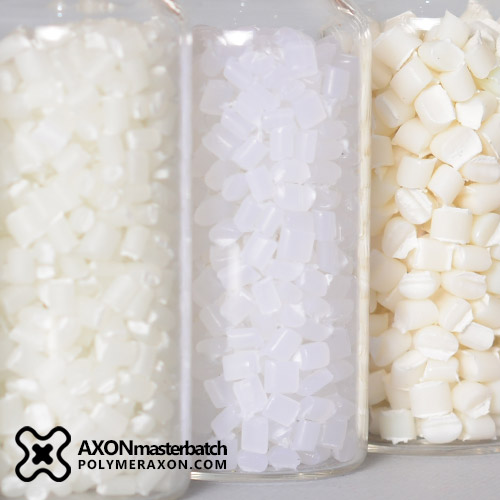
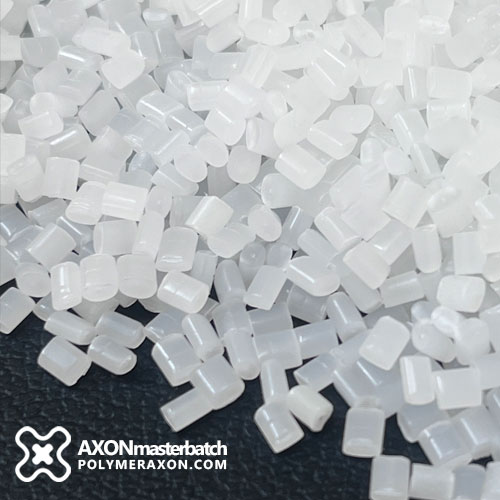

Polymer additives, or additive masterbatches, enhance products’ physical, mechanical, and chemical properties. The following sections provide details on the specific properties each polymer additive induces.
Additive Masterbatches
You have probably experienced getting an unpleasant feeling from its hardness, roughness, brittleness, or foul odor while working with a plastic item. The solution is directly linked with plastic additives, also known as polymer additives.
An additive masterbatch is a particle added to polyethylene (PE) during the polymerization process to control certain properties of the resulting polymer.
Properties of Additive Masterbatches
Polymer additives offer a range of benefits. They reduce unpleasant odors, improve gloss and flexibility, and enhance impact and heat resistance.
Modifying the structure of a polymer without additives is practically impossible. The type and quantity of the additive, along with the timing of its incorporation, greatly influence the end product’s quality. Therefore, consulting with polymer experts is essential to achieve optimal results.
When combined with additives, polymers prove remarkable materials that can substitute heavy metals in different applications, providing a cost-effective solution.
You may have noticed that plastic products often lack clarity and appear dull. It can detract from the overall quality and aesthetic appeal of the product. With this in mind, we would like to introduce a product designed to enhance the gloss and shine of plastic materials.
Optical Brighteners
Optical brighteners play a pivotal role in achieving a desirable shine in product enhancement. These additives, also known as optical brightening agents or other names, are instrumental in boosting the surface gloss of products.
They can transform the appearance of dull materials, such as polypropylene (PP) or PE, to have a shiny and polished finish similar to Acrylonitrile Butadiene Styrene (ABS).
This highly versatile product is widely used to manufacture various components, including applications within the nylon industry, as it gives a distinctive shine to nylon.
Notably, black, white, and color masterbatches can be applied to add color to plastic products.
You may have noticed some plastic bags in stores are difficult to open. Slip masterbatches can resolve this by incorporating them into the product.
Processing Aids
These polymer additives facilitate the easy release of materials from the mold surface. In certain situations, we may encounter challenges such as mixing multiple compounds or materials, working with an underpowered or small screw and cylinder, or similar issues that make it difficult for materials to separate from the die.
These plastic additives are primarily used to reduce wear and tear on machinery, thereby streamlining the production process.
By lowering pressure and temperature, processing aids extend the lifespan of plastic manufacturing equipment.
When mixed with other materials, filler masterbatches or compounds that are white can significantly reduce prime costs.
Fragrance Polymer Additive
This additive is used to treat materials with waste additives. Its jasmine scent imparts a pleasant fragrance to the materials.
Antiblock
This polymer additive is primarily used in nylons and functions similarly to a slip agent. In fact, it can be considered a complement to slip agents.
When used together, slip agents and anti-block additives can enhance the final product’s mechanical and physical properties even further. Each additive serves a distinct purpose, complementing the other to improve overall performance.
Antioxidant Masterbatch
This type of material protects polymers and prevents their degradation at high temperatures. In essence, it extends the shelf life of the product. It is primarily employed for various injection-molded products, pipes, film strips, cables, adhesives, and more.
Slip Additives
Slip masterbatches enhance the quality and smoothness of film surfaces, reduce waste, minimize equipment downtime, lower friction and adhesion, and facilitate the manufacturing process.
Indeed, this masterbatch offers the most significant contribution to the production process, including reducing prime costs.
These plastic additives are incorporated into manufacturing various PET, PP, and PE products, such as thin, regular, and thick films, including those used in agricultural applications.
