


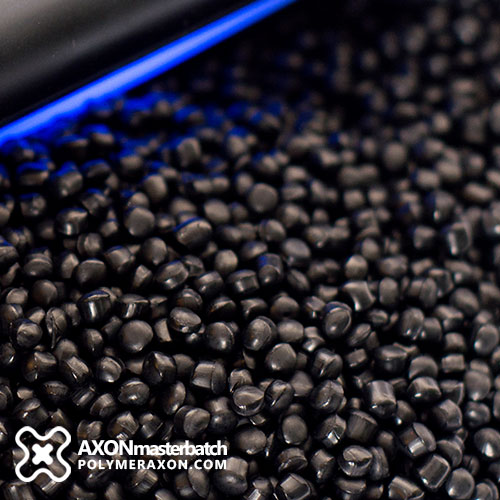
black masterbatch is composed of various materials and serves as a commonly used color in manufacturing plastic materials. in the following sections, we will outline this masterbatch’s quality, pricing, and purchasing guide.
to have detailed information and purchase white paint, please visit white masterbatch.
black masterbatch
black masterbatch is a black pigment for coloring in the plastic industry. the ingredients incorporate black components known for their ability to resist uv rays and light. these materials are employed in molding plastic products, polyethylene pipes, and wire and cable packaging films, among other applications.
raw materials and soot (carbon black) make up the black masterbatch. the carbon black concentration in this masterbatch typically ranges between 5% and 42%. although specialized formulations can achieve 50% or 60% concentrations, they are uncommon. indeed, the industry standard for carbon black concentration in masterbatch production is 42%, the preferred level among most businesses and manufacturers.
the black color itself is classified into two categories:
- shiny
- matte
at axon polymer, we customize our products to fit your specific needs, delivering the perfect solution for you.
black masterbatch price
raw materials, the production method, and the packaging method all influence the price of black masterbatch. it goes without saying that the used soot plays an important role. axon polymer posts and updates the masterbatch price on its website on a daily basis.
daily price of black masterbatch
the price of black masterbatch is calculated per kilogram .
black masterbatch price: USD 0.51 to USD 1.82 per KG
factors affecting the production of black masterbatch
the following factors are highly influential in producing masterbatches, including color, black, and white.
1- consistent color reproduction: because of the high tinting strength of the pigments used, even minor color variations in the masterbatch can significantly alter the appearance of the finished product. visual assessments are unreliable due to individual differences in color perception, varied lighting conditions, and the influence of surface texture and masterbatch form. as a result, precise color measurement tools are necessary.
2- uniform pigment dispersion: even color dispersion is an essential factor. the lack of proper pigment distribution and dispersion in the polymer texture results in inconsistencies in the manufactured part. manufacturers use stereo microscopy and cross-sectional analysis to assess the quality and quantity of pigment distribution in the masterbatch to ensure optimal dispersion.
3- opacity control: another influential factor in masterbatch production is the opacity resulting from the respective masterbatch.
how are black masterbatches manufactured?
blending masterbatches with a dispersion polymer is a three-step process: preparation, dispersion, and distribution. these stages can be performed consecutively or concurrently.
notably, organic and inorganic pigments differ from one another. inorganic pigments are easier to disperse, whereas organic pigments can damage mixtures.
the basic components of a masterbatch formulation entail the polymer and a dispersing agent.
the pigment is typically prepared using dispersing agents such as waxes (low molecular weight polymers). the melted wax in the extruder moistens the pigments, reduces the possibility of clumping, and helps with distribution.
glossy and matte black masterbatches
the black masterbatch is available in both glossy and matte finishes. this largely depends on the specific design and the polymer materials used. the question here is: what manufacturing processes create the shiny finish in a black masterbatch, and what accounts for the price difference?
the price of a black masterbatch is typically highly dependent on the amount of applied soot. the matte or glossy finish has little effect on the final price. a masterbatch at a comparable price can be matte or shiny.
how to achieve a glossy finish in black masterbatch
the gloss or matte finish of black masterbatches can be adjusted by altering or removing specific additive parameters. it enables producing a wide range of products, from utterly matte to highly glossy.
key factors to consider before buying a black masterbatch
when producing a black masterbatch, it is critical to ensure that the finished product is a deep, rich black, also known as “jet black.” axon polymer opts for pigment rather than soot for custom-made grades to create the black masterbatch. this substitution produces a stunning black hue with a highly glossy finish.
it is important to note that a free sample will be provided in cases of high sensitivity regarding the color. once the customer approves a specific color, mass production will start.
when purchasing a black masterbatch, it is crucial to ensure that the color is uniform. it means no streaks or grains should be present, and the color should not appear cloudy or inconsistent. price is another determining factor that must be both fair and reasonable.
features of axon black masterbatches
the most significant feature of axon masterbatches is their ability to be tailored to the specific requirements of our valued customers. axon black masterbatches have exceptional tinting strength, which results in high gloss in the finished plastic products.
a critical point about black masterbatch is that axon polymer has product formulations. however, it also can manufacture products based on its valued customers’ formulations and specific needs. finally, axon polymer’s core principle is to ensure complete customer satisfaction.
what should the masterbatch look like?
as a whole, masterbatches should exhibit a uniform and consistent appearance. the appearance of a masterbatch is indeed one of the key factors in assessing its quality.
a high-quality masterbatch has these appearance characteristics:
- glossy appearance
- uniform surface
- completely smooth cross-sectional surface without deformation at the cutting site
it is important to note that the quality of a masterbatch is not merely determined by its appearance; as previously mentioned, the quantity of pigment used is paramount. for further details regarding the quality of masterbatches, please see color masterbatch.
what are the benefits of using the black masterbatch in plastic materials?
using the black masterbatch in plastic products offers several advantages:
- depending on how much of this masterbatch is used, the finished product will either be darker or lighter.
- it safeguards plastic products against uv radiation.
- it enhances the heat resistance of the final product.
- the moisture resistance of polymer materials that contain masterbatch is comparatively higher.
- it is appropriate for film production.
- it prevents the buildup of excessive smoke and unpleasant odors resulting from high processing temperatures.


Reviews
There are no reviews yet.